
Cost of Ownership at Casa de Campo® — A Buyer's Budget Guide
The purchase price is just the start. Owning property at Casa de Campo® means budgeting for recurring expenses — HOA dues, resort membership, property tax (IPI), maintenance, insurance, and utilities. This guide walks through every category most buyers underestimate, so you can build a realistic total cost of ownership before you sign.
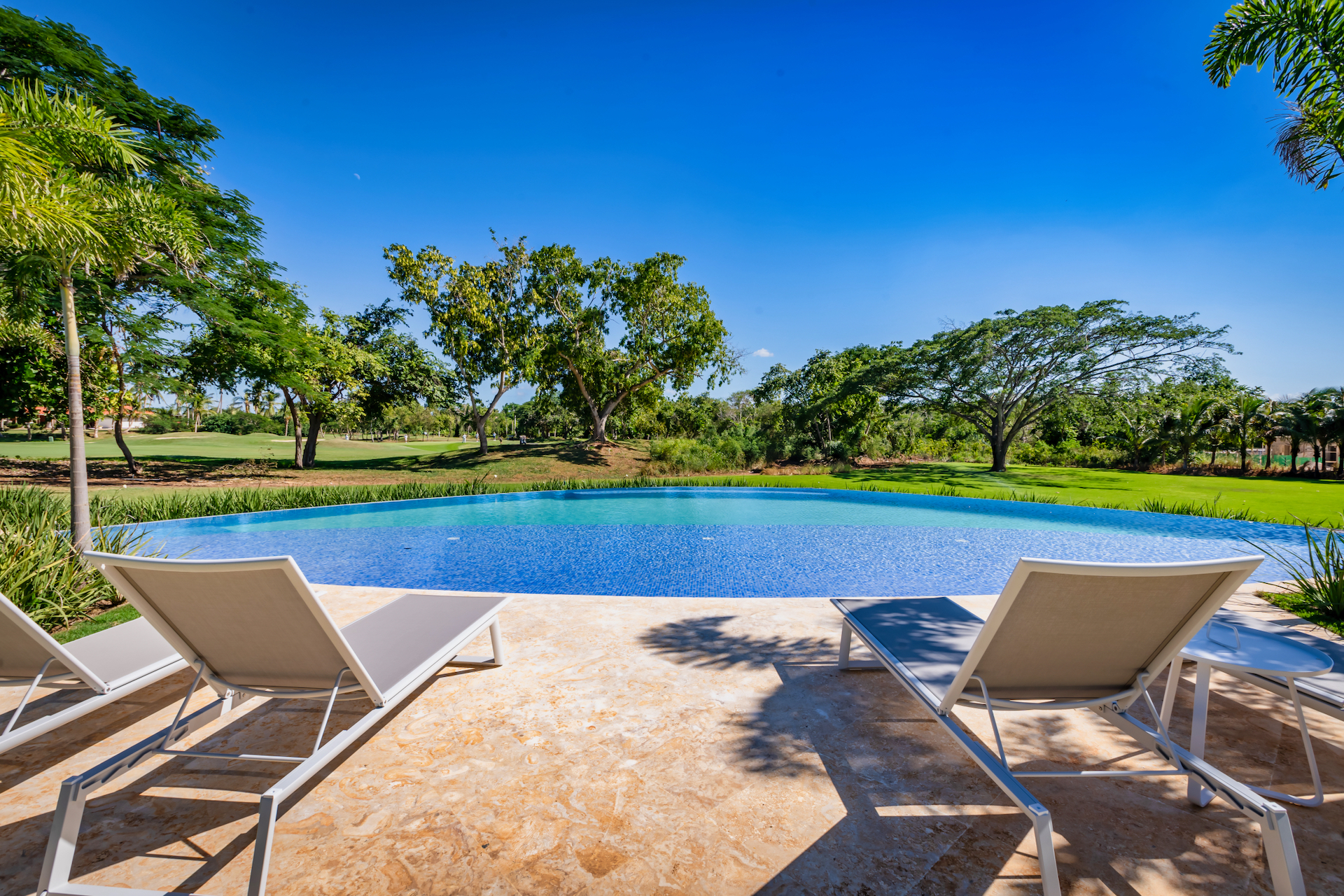
One-Time Closing Costs
Roughly 3–5% on top of the purchase price. Includes the 3% transfer tax, legal and notary fees (1–2%), and title registration (~0.5%). Paid once, at closing.
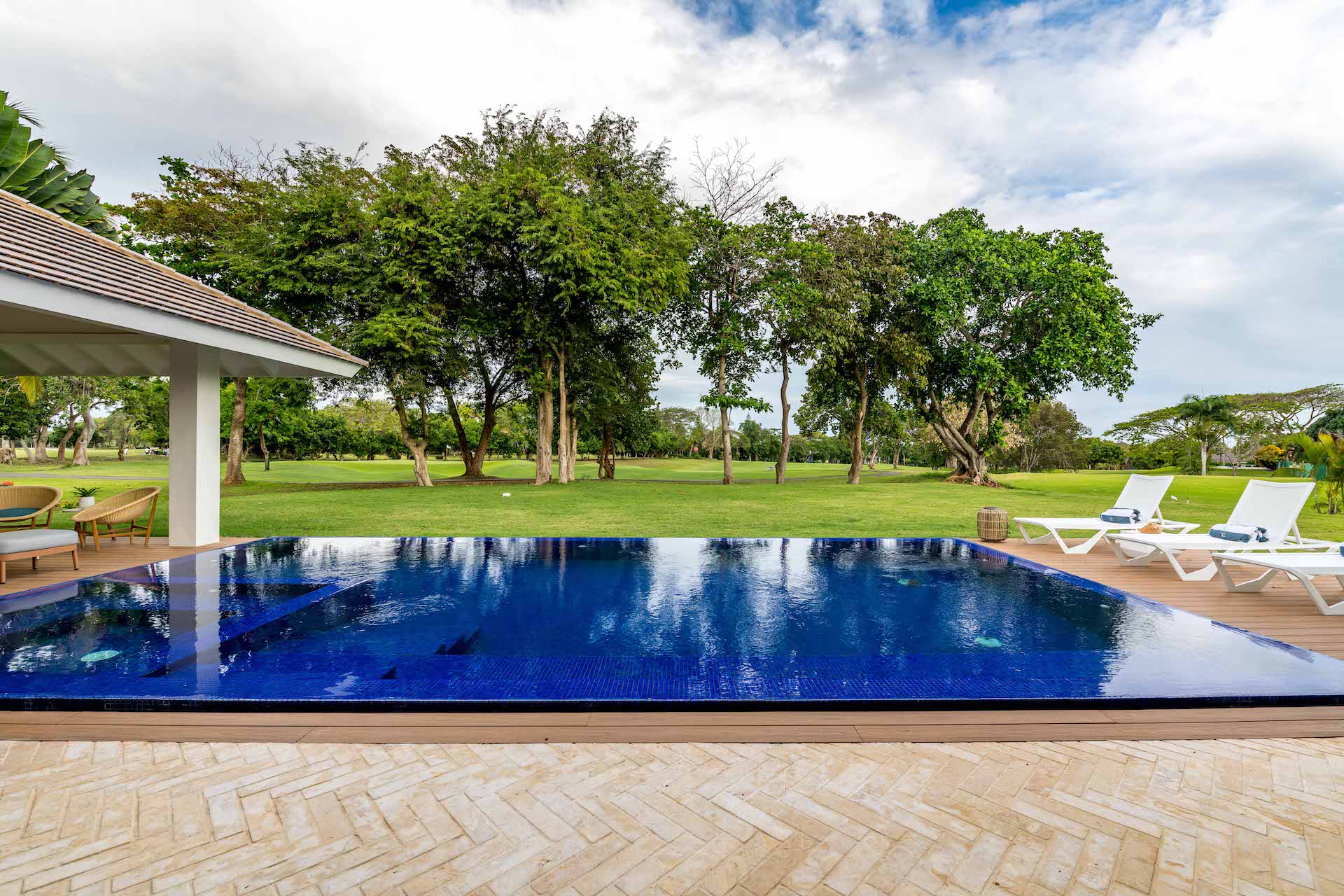
Annual Fixed Costs
HOA dues, resort membership, and IPI property tax. Predictable line items every owner pays. Amounts vary by neighborhood, property value, and which Casa de Campo® membership tier you hold.
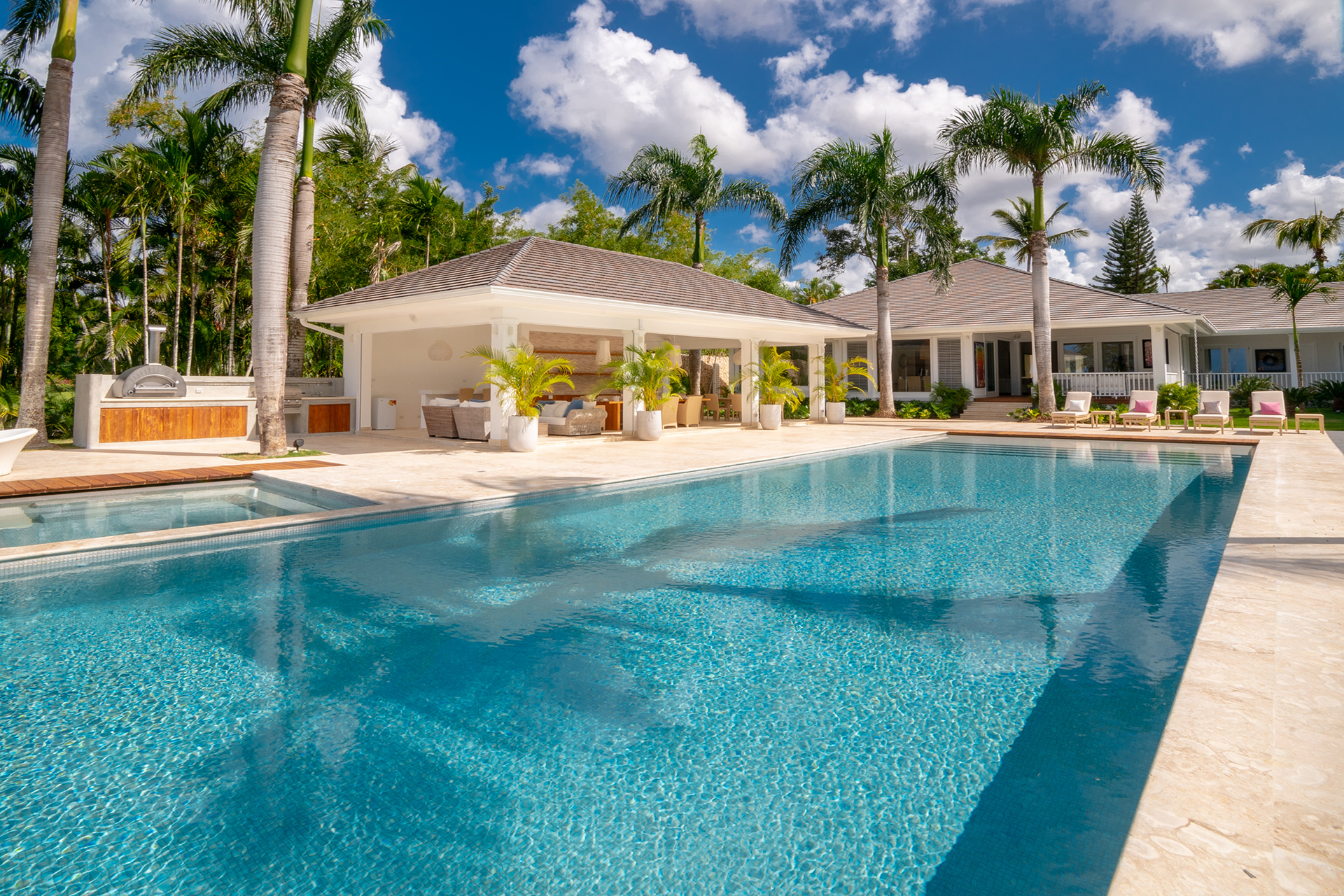
Variable Costs
Maintenance, utilities, insurance, and property management if you rent. Highly dependent on property size, age, and use pattern. Plan a contingency in your annual budget.
One-Time Closing Costs in Detail
Dominican Republic real estate transactions carry standardized closing costs paid by the buyer at title transfer:
- Transfer tax (Impuesto de Transferencia): 3% of the assessed value, paid to the Dirección General de Impuestos Internos (DGII).
- Legal and notary fees: typically 1–2% of the purchase price. Some attorneys charge a flat fee for higher-value transactions — negotiable.
- Title registration fee: approximately 0.5% of the assessed value, paid to the Title Registry (Registro de Títulos).
- Miscellaneous: document translation if you are a foreign buyer, certified copies, power of attorney if not present at closing.
Plan for roughly 3–5% of the purchase price in total closing costs. For a $2M property, that means a $60,000–$100,000 budget on top of the price.
HOA and Community Fees
Every neighborhood inside Casa de Campo® has its own homeowners association with annual or monthly dues. Fees cover shared infrastructure, security patrols, landscaping, road maintenance, and any neighborhood-specific amenities (private gates, beach club access, internal pool facilities).
- Garden-view neighborhoods tend to carry lower HOA fees — fewer shared amenities, more straightforward infrastructure.
- Oceanfront and marina neighborhoods carry higher fees due to seafront infrastructure, private beach access, and more intensive security.
- Newer developments sometimes include a one-time capital contribution at initial sale, in addition to ongoing dues.
HOA dues are completely separate from your Casa de Campo® resort membership. Always request a current HOA disclosure during due diligence — fees, special assessments, and reserves vary widely by neighborhood and change year to year.
Casa de Campo® Resort Membership
Casa de Campo® operates a tiered membership program separate from property ownership. Membership grants access to the resort’s amenities:
- Three Pete Dye–designed golf courses — Teeth of the Dog, Dye Fore, and The Links
- Minitas Beach Club
- Tennis center, equestrian center, polo fields
- La Terraza Tennis Club and the marina facilities
- Resort restaurants and member events
Some properties transfer with membership included; others require separate enrollment. Membership tiers (commonly Sport, Premier, and Founder) differ in golf privileges, guest allowances, and amenity access. Before closing on any property, confirm in writing whether membership is included, transferable, or must be purchased separately — this can be a five- or six-figure difference at the start, plus annual dues thereafter.
Annual Property Tax (IPI)
The Dominican Republic levies an annual property tax called the Impuesto al Patrimonio Inmobiliario (IPI). Key facts every Casa de Campo® owner should know:
- Rate: 1% of the property’s assessed value (assessed, not market — typically lower than the purchase price).
- Exemption threshold: properties assessed below approximately RD$9.8M (~US$160,000) are fully exempt.
- Calculation: the 1% applies only to the value above the exemption threshold, not the full assessed value.
- Payment: paid in two installments — typically March and September — to the DGII.
- Penalties: late payment accrues interest plus a 10% surcharge.
For a property assessed at $2M, expect roughly $18,000–$20,000 per year in IPI. Foreign buyers pay the same rate as Dominican citizens — there is no surcharge for non-resident ownership.
Maintenance, Utilities & Insurance
The variable bucket. These costs depend heavily on the property’s size, age, construction, and how often you use or rent it.
Maintenance
Tropical climate means year-round gardening, pool service (most CdC villas have private pools), AC servicing, and roof and exterior upkeep. Generators are common backup for grid outages. Properties with extensive landscaping, water features, or large guest houses cost more to maintain. A reasonable rule of thumb is 1–2% of the property value per year for general maintenance and reserves.
Utilities
Electricity is the dominant variable cost — AC runs most of the year. Water and sewer are commonly included in HOA dues at Casa de Campo®. Internet, cable, and propane (for backup generators or cooking) are billed separately. Many oceanfront owners install solar to offset peak-season electricity bills.
Insurance
Full homeowners coverage plus hurricane and earthquake riders is standard at Casa de Campo®. The Dominican Republic sits in the Caribbean hurricane belt — coverage is non-negotiable for any meaningful mortgage. Premiums depend on construction type (concrete + impact glass commands lower rates), location within the resort, and chosen coverage limits.
If You Plan to Rent (Investment Buyers)
Buyers who plan to rent the property when not in residence have a few additional cost lines to budget:
- Rental income tax: 10% withholding on gross rental income, payable to the DGII. This is a flat rate for non-residents and applies whether you rent through a local management company or independently.
- Property management: if you use a managed rental program (Casa de Campo® Resort’s rental pool or a third-party operator like Caribbean Paradise Homes), expect a revenue share — commonly 30–50% of gross rental — that covers marketing, booking, guest services, and turnover.
- Cleaning, linens, supplies: per-turnover costs, usually billed back at cost or bundled into the management fee.
- ITBIS: the Dominican VAT (18%) applies to certain rental services. Your attorney or accountant can confirm what is or is not subject to ITBIS for your specific setup.
Owners who plan to rent should also build a marketing reserve and contingency for low season.
A Realistic Annual Budget Framework
Every property is different, but a rough budgeting framework for a mid-range Casa de Campo® villa ($1.5M–$3M range) typically looks like:
- HOA dues: requested from the seller during diligence — neighborhood-specific
- Resort membership: only if applicable to your property
- IPI: ~1% of assessed value above the RD$9.8M threshold
- Maintenance reserve: 1–2% of property value
- Insurance: request live quotes during diligence (varies by construction, lot, coverage)
- Utilities: usage-based, peak in dry season (Dec–Apr)
Our team can pull current HOA disclosures, confirm membership status, and run a property-specific cost estimate for any villa you are considering — before you sign a promise of sale.
Get a Property-Specific Cost Estimate
The cost ranges in this guide are starting points. For a specific property, the only accurate budget comes from the actual HOA disclosure, membership documents, and a recent appraisal. Our team handles this diligence as part of every transaction we represent.